Seashells and Decorative Elements
As a graphic designer with years of experience in branding, packaging, and digital design, I often seek out high-quality design assets that can elevate a project without overpowering it. Seashells, as a decorative element, offers a unique blend of natural charm and visual versatility that can enhance a wide range of creative projects. Whether you're working on a handmade brand, a seasonal campaign, or a print-on-demand product, this asset has the potential to add a touch of coastal elegance and organic texture.
First Impressions: A Natural Aesthetic
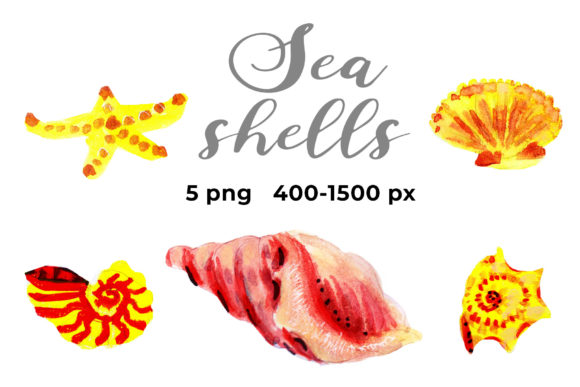
When I first encountered Seashells, the immediate impression was one of calm and simplicity. The design feels handcrafted, almost like an illustration from a vintage travel journal. It carries a soft, whimsical mood that suggests a connection to nature, relaxation, and a laid-back lifestyle. This makes it particularly well-suited for brands that want to evoke a sense of serenity, whether it's a beachside boutique, a wellness company, or a lifestyle blog.
The style is clean but not overly minimal. It balances detail with subtlety, making it ideal for projects where a little visual interest goes a long way. Seashells fits naturally into themes like summer campaigns, nautical decor, or anything that benefits from a light, airy feel.
Real-World Applications: Where Seashells Shines
In practical design scenarios, Seashells proves to be a flexible addition to any creative toolkit. It works well in logo design when used as a subtle accent, especially for businesses that want to incorporate a nature-inspired motif. In brand identity, it can serve as a recurring visual element that reinforces the theme across different materials.
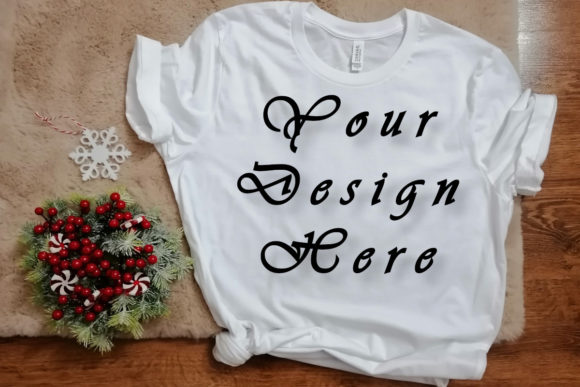
For product labels and packaging design, Seashells adds a tactile, artisanal quality that appeals to customers looking for something unique. It also enhances t-shirt designs, mug graphics, and tote bag prints by adding a decorative flair without overwhelming the main message.
In social media graphics and editorial design, Seashells can act as a background element or a decorative border, helping to create a cohesive visual language across platforms. It’s also a great fit for Canva templates and Cricut projects, where users need quick, beautiful design elements that are easy to customize.
Best Uses: Enhancing Visual Mood and Brand Story
Seashells excels in large layout areas, such as hero graphics or product mockups, where its intricate details can be fully appreciated. It also works well as a decorative accent in themed collections, helping to tie together a series of related designs. For campaign visuals, it can be used to reinforce a seasonal or location-based theme, adding depth and context to the overall message.
In printable designs, such as wall art or stickers, Seashells brings a personal, handmade quality that resonates with consumers. It also supports commercial design projects, especially those targeting small business branding or Etsy products that rely on visual appeal to stand out.
Cautious Use: When Seashells May Not Fit
While Seashells is a strong design asset, it’s important to consider where it may not be the best choice. In small sizes, the details can become lost, making it less effective as a standalone element. In crowded layouts, it risks clashing with other design components, especially if there’s too much going on visually.
On complex backgrounds or low-contrast designs, Seashells may not stand out as intended. It also doesn’t align well with minimalist branding or professional corporate materials, where clarity and simplicity are key. If the goal is a modern, clean look, Seashells might be too ornate or distracting.
Design Considerations: Practical Tips for Professional Use
Before using Seashells in a client project, it’s essential to test it in various contexts. Try it in black and white to see how it holds up without color. Check contrast on both light and dark backgrounds to ensure visibility. Preview it at different sizes to confirm that it remains legible and impactful.
Place it on real mockups—like product samples or website prototypes—to get a sense of how it integrates into the final design. Test print quality if it will be used for physical materials, and review file formats to ensure compatibility with your workflow. If it includes PNG transparency, make sure it blends well with different backgrounds.
For vector-based assets like SVG design, check editability to ensure you can modify the shapes as needed. Compare it with different font styles—serif, sans serif, script, or display—to see how it pairs with text elements. Always confirm the commercial license before using it for a client or business project.
Why Seashells Matters in Creative Design
As a designer, I know that the right decorative element can make all the difference in a project’s success. Seashells isn’t just a pretty image—it’s a tool that can help build visual hierarchy, support brand consistency, and create emotional appeal. It adds a layer of authenticity and warmth that resonates with audiences, especially in handmade businesses or small business branding.
Whether you’re creating a digital product, a printable design, or a commercial design asset, Seashells offers a versatile and appealing option that can enhance your work without compromising clarity or professionalism. It’s a valuable addition to any design bundle, especially for those working in the creative marketplace or looking to expand their collection of clipart and illustrations.