Watercolor Digital Papers and Textures
As a brand designer and content marketer, I've had the chance to review countless graphic design assets. Watercolor Digital Papers and Textures stand out as a versatile and emotionally resonant tool for creative professionals. Whether you're building a brand identity or crafting social media graphics, this design bundle offers a unique blend of warmth and professionalism that can elevate your marketing visuals.
First Impressions: A Mood-Setting Design Asset
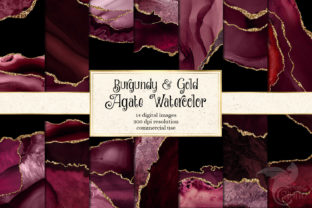
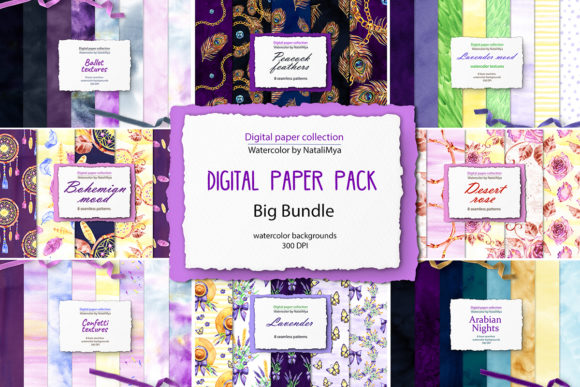
The first thing you notice about Watercolor Digital Papers and Textures is its soft, organic feel. The watercolor textures bring a sense of approachability and creativity, making them ideal for brands that want to convey a handmade or lifestyle-focused vibe. This design asset creates an emotional tone that feels authentic and inviting, perfect for small business branding or content that aims to connect with an audience on a personal level.
It’s not just about aesthetics—it’s about how it influences audience perception. When used effectively, these papers can make your marketing materials feel more relatable, whether you’re promoting a seasonal offer or designing packaging inserts.
Real-World Applications in Branding and Marketing
Watercolor Digital Papers and Textures shine in a variety of real-world marketing scenarios. For instance, when working on a brand identity project, these textures can be layered behind logos or used as background elements in social media graphics. They add depth without overwhelming the main message, making them great for Instagram posts, Pinterest pins, or Facebook ads.
In packaging design, they can serve as subtle accents that reinforce a brand’s visual language. Similarly, in editorial design or blog graphics, these papers help create a cohesive look that supports the narrative without distracting from the content.
Supporting Marketing Goals with Visual Consistency
One of the most valuable aspects of Watercolor Digital Papers and Textures is their ability to support consistent branding across multiple platforms. When developing a content kit or digital campaign, having a set of high-quality textures ensures that all marketing visuals maintain a unified aesthetic. This consistency helps build stronger recognition and trust among your audience.
These design assets also enhance visual hierarchy by offering a subtle backdrop that doesn’t compete with key messages. Whether you're creating lead magnets, email banners, or web design elements, the right texture can guide the viewer’s eye and improve engagement without looking cluttered.
Best Use Cases for Watercolor Digital Papers and Textures
Watercolor Digital Papers and Textures are particularly effective in hero graphics, campaign headers, and product launch visuals. They work well as branded templates for Canva or as decorative elements in content bundles. Their versatility makes them a go-to choice for event promotions, editorial layouts, and promotional banners that need a touch of creativity without sacrificing professionalism.
For content creators, these papers can be used to design printable promotions, merchandise, or stickers that align with a brand’s visual identity. They also serve as a strong foundation for digital product visuals, helping to present products in a more appealing and cohesive way.
When to Use with Caution
While Watercolor Digital Papers and Textures are highly adaptable, they may not be the best fit for every project. In formal corporate branding, where minimalism and clarity are key, these textures could detract from the intended message. Similarly, in dense information layouts or small mobile graphics, they might reduce readability.
They should also be used carefully in low-contrast backgrounds or text-heavy ads where the focus needs to remain on the copy. For overly minimal brands, these papers could add unnecessary visual complexity. It's important to test them in real campaign mockups to ensure they complement rather than compete with the core message.
Practical Tips for Brand Designers
Before integrating Watercolor Digital Papers and Textures into your workflow, test them with your brand color palette. Check how they perform in black and white and ensure they don’t overpower your logo or other design elements. Preview them on mobile screens to confirm readability in small sizes.
Compare them against competitor visuals to see how they stand out. Test how they pair with different font styles—serif, sans serif, script, or display fonts—to find the best combination. Review spacing and balance to avoid visual clutter. Most importantly, confirm commercial licensing before using them in paid campaigns or client work.
Why Watercolor Digital Papers and Textures Matter in Modern Design
In today’s competitive creative marketplace, having access to high-quality design assets like Watercolor Digital Papers and Textures can make a significant difference. They offer a modern design solution that blends creativity with professionalism, making them ideal for content marketing, digital ads, and visual storytelling.
For small business owners and online coaches, these papers provide an affordable way to elevate their brand visuals without compromising on quality. Whether you're building a media kit, designing social media covers, or preparing a digital campaign, this asset can help you create visuals that resonate with your audience and reflect your brand’s personality.
Final Thoughts: A Valuable Addition to Any Designer’s Toolkit
Watercolor Digital Papers and Textures are more than just a pretty design element—they’re a strategic tool that can enhance your marketing efforts. From improving audience trust to creating more memorable campaign visuals, this design bundle offers practical value for a wide range of applications.
Whether you're a brand designer, content marketer, or digital seller, incorporating these papers into your workflow can help you deliver visually compelling content that aligns with your brand’s vision and goals. With the right approach, they can become a cornerstone of your creative process and a powerful ally in your marketing strategy.